
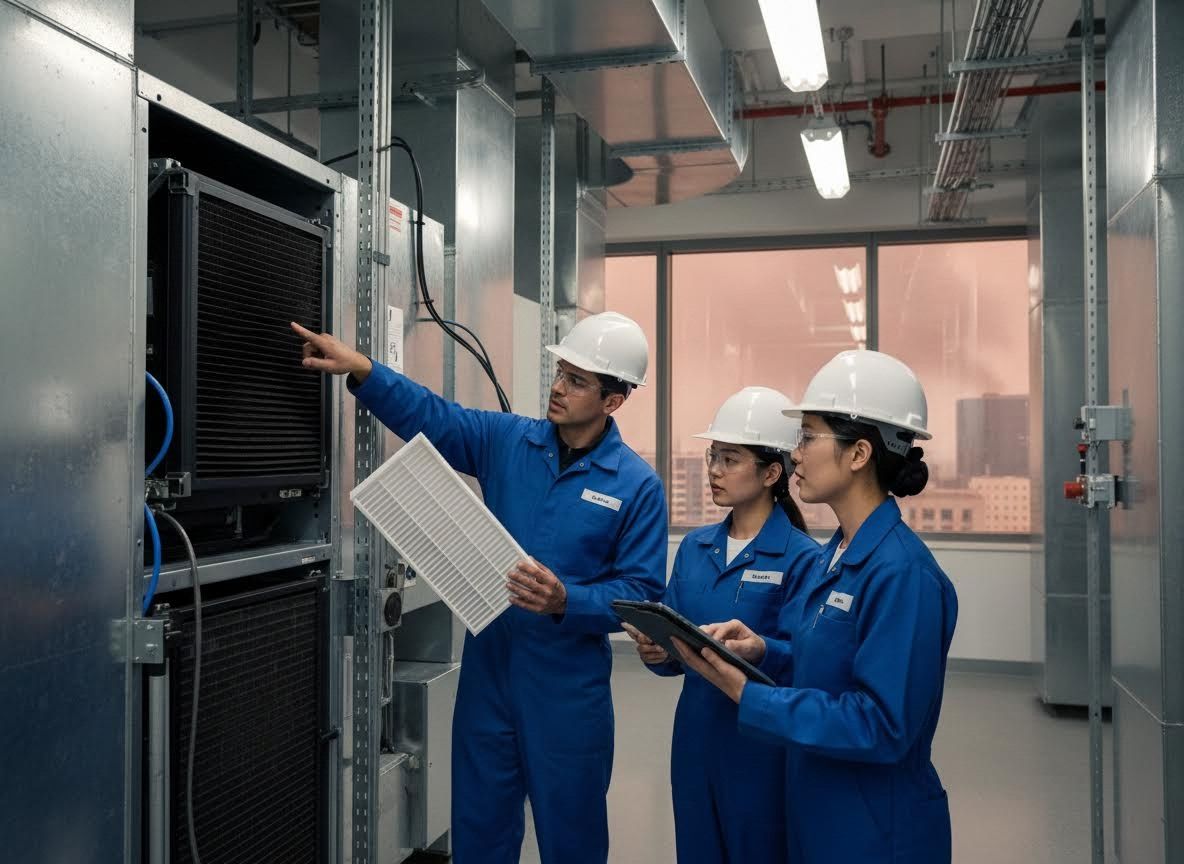
Wildfires leave a devastating trail, and their impact often extends far beyond the immediate burn zone, affecting air quality for miles around. For commercial property owners, the invisible threat of ash and smoke infiltration into HVAC systems presents a significant challenge that demands proactive and comprehensive solutions. Ensuring a healthy and safe indoor environment for tenants and employees post-wildfire is paramount, and understanding how to upgrade your commercial HVAC system is a crucial step in that recovery process. At Triton Renovation, we recognize the long-term implications these environmental events have on large-scale commercial assets. Get in touch today.
The Hidden Threat: How Wildfire Ash and Smoke Impact HVAC Systems
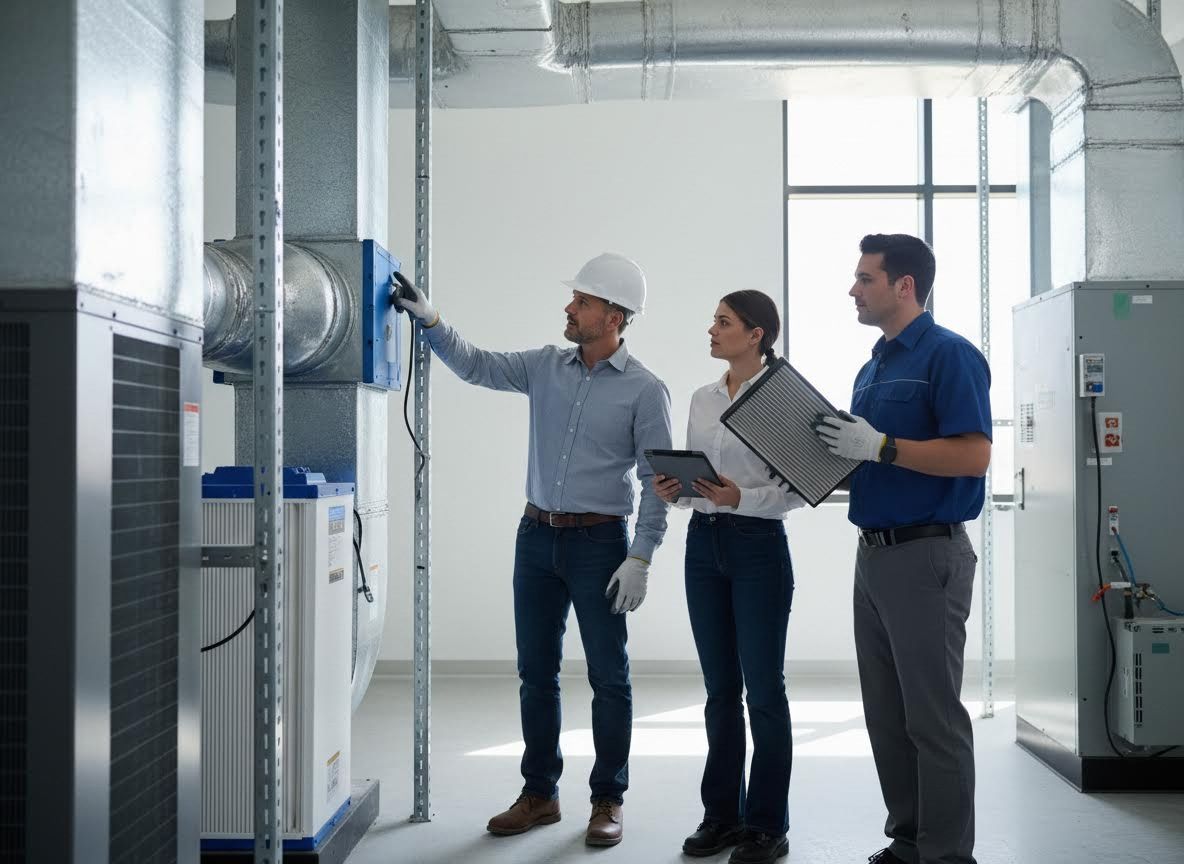
When wildfires rage, the air fills with microscopic ash particles, soot, and volatile organic compounds (VOCs) from burned vegetation and structures. These airborne contaminants are not just an outdoor problem; they readily infiltrate commercial buildings through ventilation systems, cracks, and openings. Once inside, these particulates can clog traditional HVAC filters, reducing airflow and forcing systems to work harder, which can lead to increased energy consumption and premature equipment wear. Beyond the mechanical stress, the corrosive nature of some smoke residues can damage sensitive components within the system. More importantly, these contaminants recirculate throughout the building, posing health risks to occupants, including respiratory issues and skin irritation, even long after the visible smoke has cleared. We offer the best fire damage restoration services for your needs.
Beyond Cleaning: Why Upgrading is Essential for Long-Term Protection
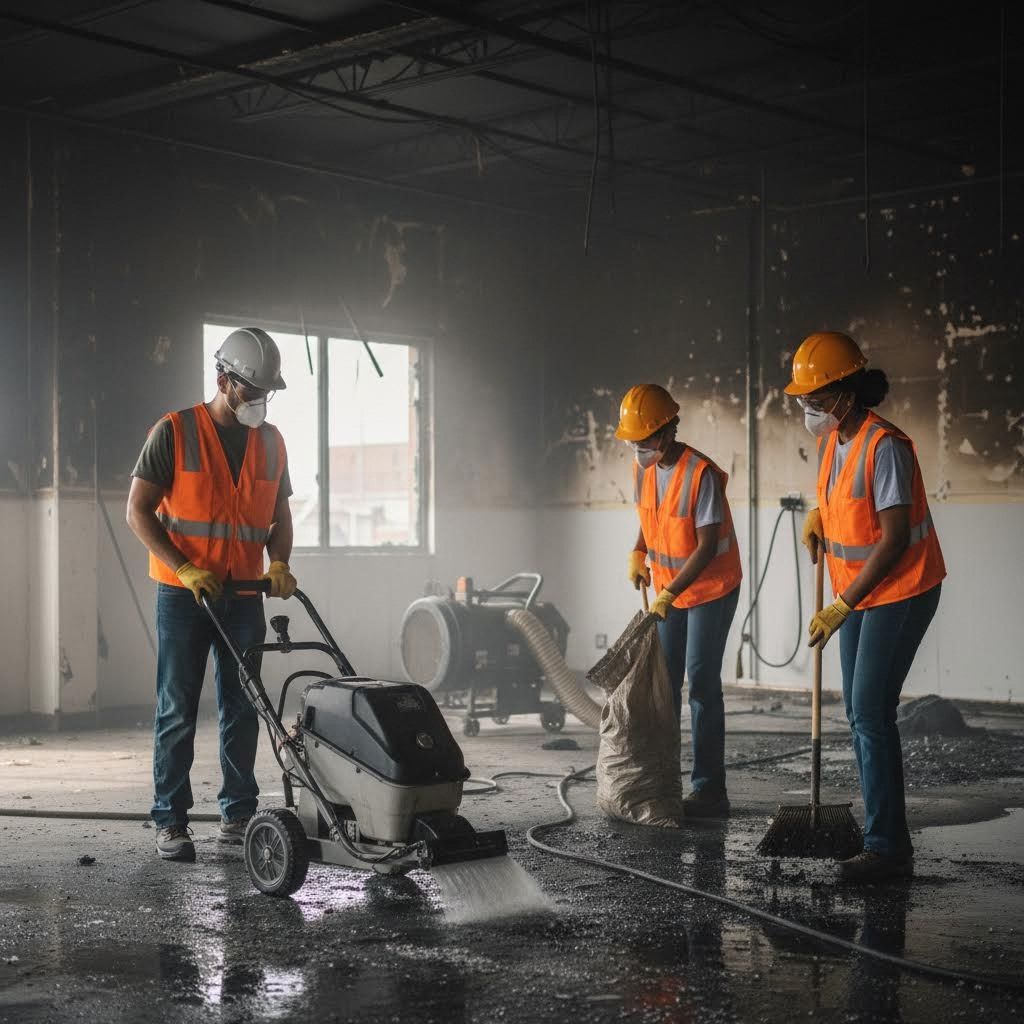
While a thorough cleaning of your HVAC system and ductwork is an important first step after smoke exposure, it often isn't enough to ensure long-term resilience and air quality. Regular filters are designed to capture larger dust particles, not the ultra-fine particulates and chemical compounds found in wildfire smoke. Upgrading your HVAC system for enhanced air quality involves a more robust approach. This includes installing higher-efficiency particulate air (HEPA) filters or those with a higher Minimum Efficiency Reporting Value (MERV) rating, which are much more effective at capturing microscopic airborne matter. Additionally, integrating advanced air purification technologies, such as UV-C lights or ionization systems, can neutralize bacteria, viruses, and odors, providing a multi-layered defense. Duct sealing and ensuring proper system pressurization also play a crucial role in preventing future infiltration, turning your HVAC from a vulnerability into a protective barrier.
Strategic Planning for Commercial Properties: A Comprehensive Approach
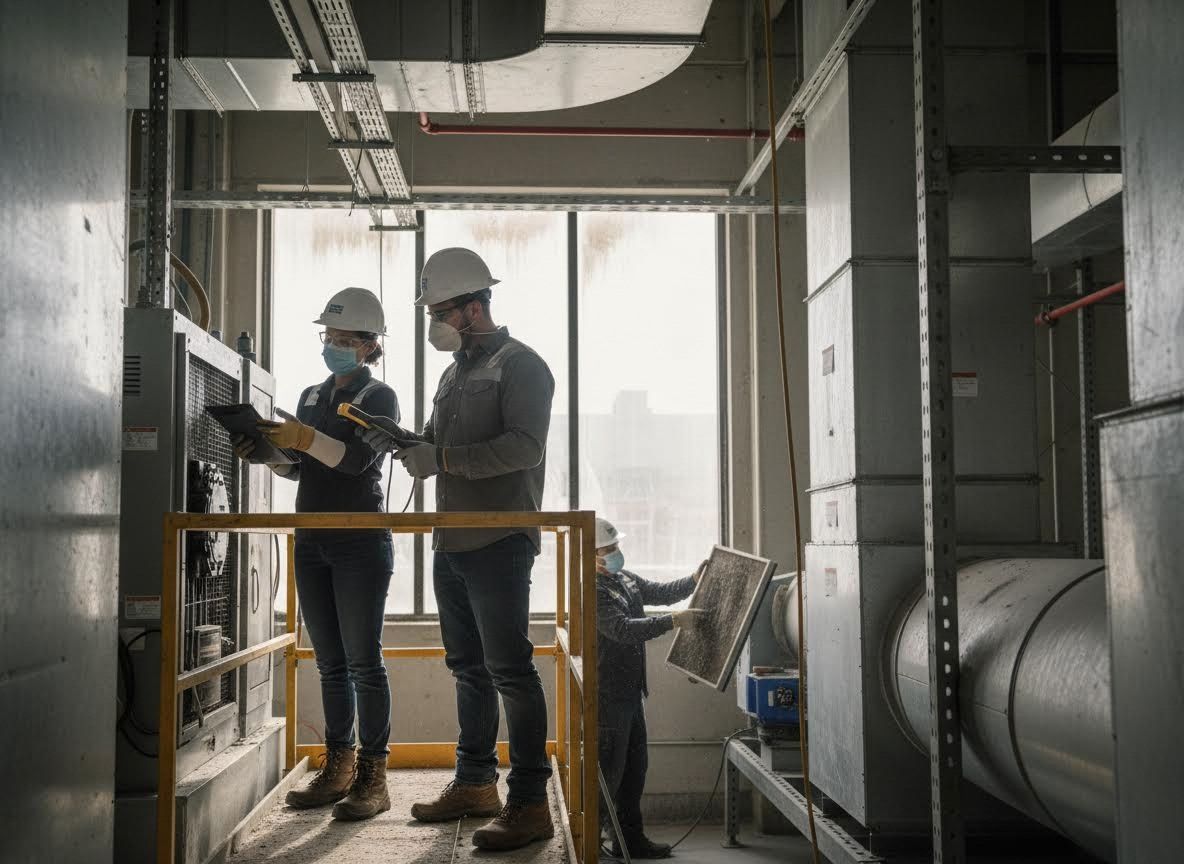
Implementing effective upgrades after or during fire damage restoration requires a strategic and tailored plan, especially given the diverse nature of commercial properties such as hospitality venues, multi-family housing, and corporate offices. Each environment presents unique challenges, from high occupancy rates to varying operational schedules. A comprehensive approach begins with a detailed assessment of the existing HVAC infrastructure and the extent of smoke damage. Following this, experts can design a custom upgrade plan that considers the specific needs of your property, balancing performance, cost-efficiency, and minimal disruption to ongoing operations. Working with an experienced commercial restoration company ensures that all aspects, from initial assessment to final implementation, are managed with institutional-grade expertise. Such partnerships are vital for navigating the complexities of large-scale fire and smoke damage restoration and achieving sustainable indoor air quality.
GET STARTED TODAY
Post-wildfire recovery demands more than just superficial cleaning; it requires a deep understanding of air quality science and robust commercial damage restoration strategies for critical infrastructure like HVAC systems. By investing in comprehensive upgrades, property owners not only safeguard their assets but also ensure the long-term health and comfort of their occupants. For guidance on assessing and enhancing your commercial property's HVAC resilience, we invite you to explore our resources on comprehensive commercial disaster recovery solutions. Contact us today.