
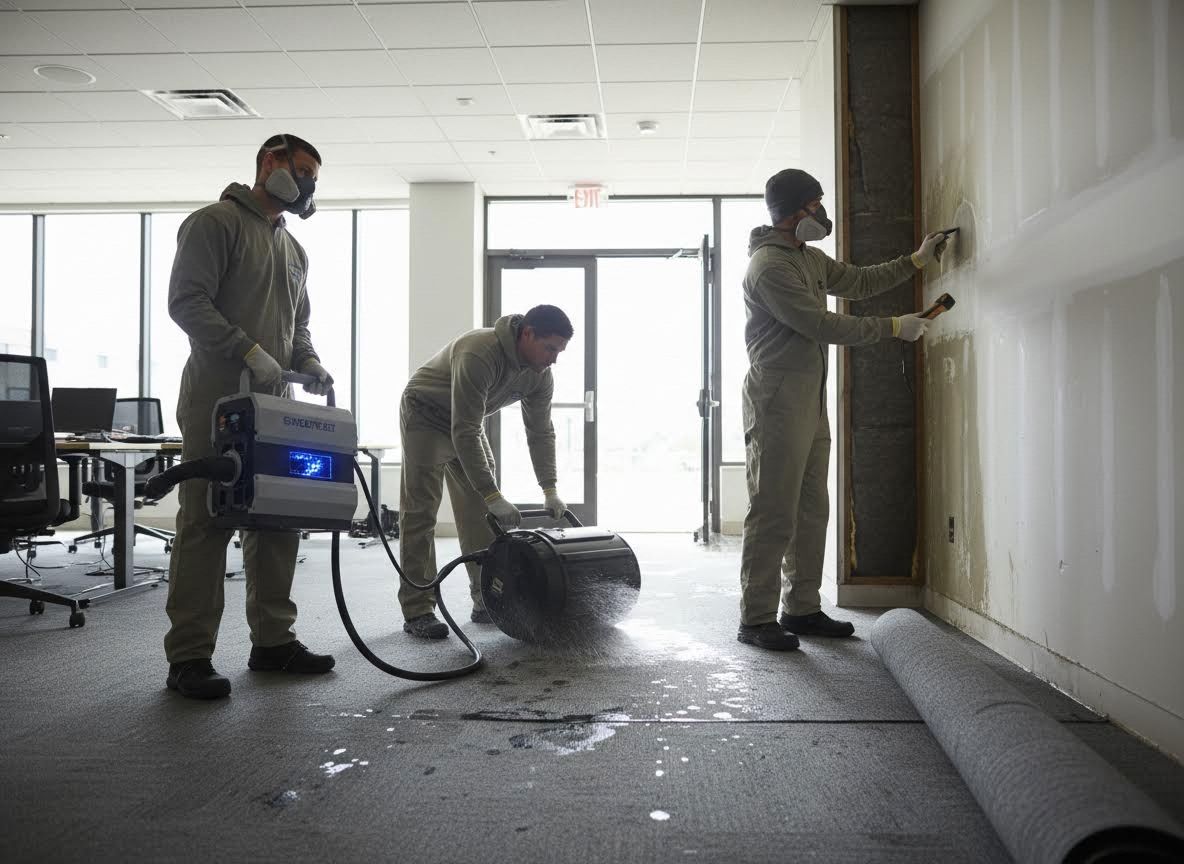
Flooding can be a devastating event for any business, bringing with it not only immediate damage but also the persistent threat of mold growth. Even after the water recedes, moisture can linger in hidden spaces, creating the perfect environment for mold to thrive and compromise your property and operations. Understanding the critical steps to prevent this secondary damage is essential for protecting your investment and ensuring the health of your employees and customers. At Triton Renovation, we know the importance of a swift and thorough response to safeguard your business from these unseen dangers. This post will guide you through effective strategies to prevent mold from taking hold after a flood.
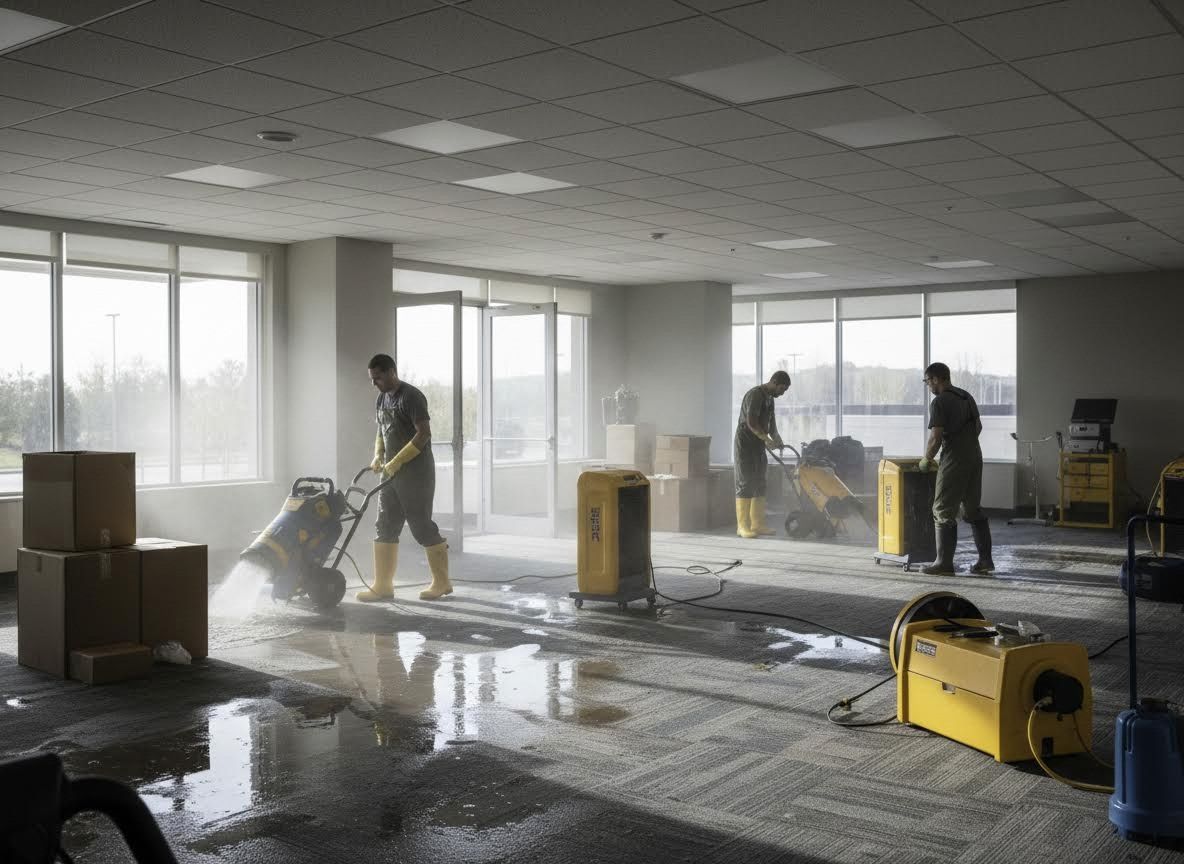
Immediate Response for Moisture Control
The moment floodwaters recede, rapid and thorough moisture control is paramount to preventing mold. Standing water must be extracted immediately, followed by the strategic use of industrial-strength dehumidifiers and high-volume air movers. These tools significantly reduce humidity levels, speeding up the drying process for structural elements and contents. It's also crucial to increase ventilation by opening windows and doors, if safe to do so, to encourage air circulation. Prompt action in these initial hours is a cornerstone of effective commercial restoration and can make a substantial difference in the scope of future business restoration efforts.
Recognizing and Addressing Hidden Risks
Mold often thrives in areas that are out of sight, such as behind walls, under flooring, or within ceiling cavities. After a flood, all porous materials that have absorbed water—like drywall, insulation, and carpets—are highly susceptible to mold growth and should be evaluated by an experienced professional. Even if a surface appears dry, trapped moisture can create a breeding ground for fungi. A musty odor is often the first indication of hidden mold. Proactive inspection and, if necessary, removal of compromised materials are critical steps in comprehensive mold remediation.
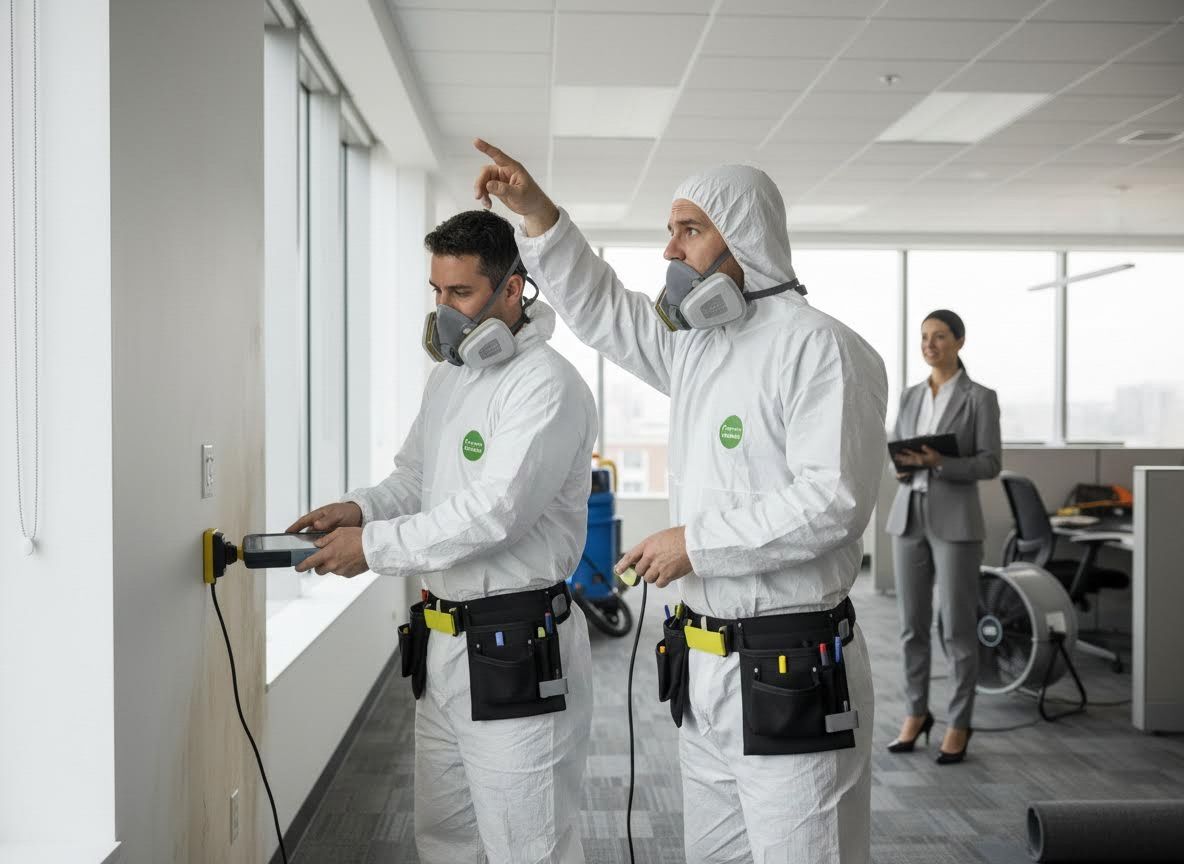
The Indispensable Role of Professional Expertise
While immediate drying efforts are important, effective long-term mold prevention after a flood often requires the specialized knowledge and equipment of a professional commercial restoration company. These experts utilize advanced moisture detection tools to identify hidden pockets of saturation that might otherwise be missed. They can develop a targeted drying plan, ensuring that your property is not just superficially dry but fully restored to healthy moisture levels. Whether dealing with a burst pipe or extensive tornado damage restoration, their experience is invaluable in preventing the insidious spread of mold and ensuring your business environment is safe and healthy.
Preventing mold after a flood requires diligent attention and, often, professional expertise to ensure complete drying and remediation. Taking proactive steps not only protects your property from costly structural damage but also safeguards the health and well-being of everyone who steps through your doors. A swift and informed response is key to mitigating the long-term impact of water damage. For comprehensive guidance on protecting your commercial property, or if you suspect mold growth, Triton Renovation is here to provide the experienced and compassionate support you need. Learn more about effective business restoration strategies and how to maintain a healthy environment. Call today.