

When facing the discovery of mold in a commercial property, a common and pressing question for business owners is whether their commercial property insurance will cover the cost of remediation. The presence of mold can pose significant health risks and structural damage, making prompt and effective action crucial. Navigating insurance policies can be complex, but understanding the nuances of your coverage is the first step in addressing this challenge. At Triton Renovation, we understand the stakes involved and aim to provide clarity on this critical subject.

Understanding Your Commercial Property Insurance Policy
Commercial property insurance policies are designed to protect your assets from various perils, but coverage for mold damage is often not as straightforward as it might seem for other types of damage. Most policies do not offer blanket coverage for mold. Instead, whether mold remediation is covered typically hinges on the cause of the mold growth. It's essential to meticulously review your policy's language, paying close attention to sections on water damage, mold exclusions, and specific endorsements. The specific wording can make all the difference in determining eligibility for a claim.
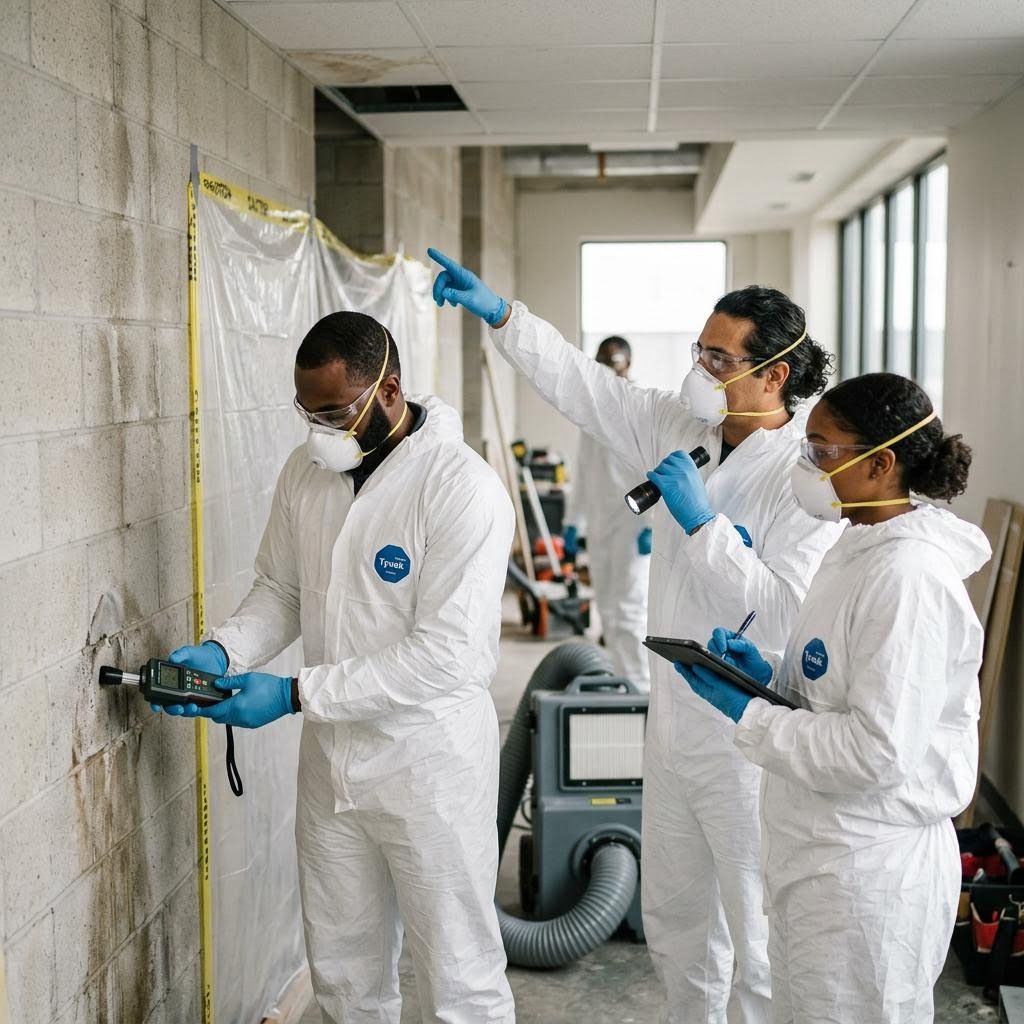
When Commercial Mold Remediation Might Be Covered
Coverage for commercial mold remediation usually depends on whether the mold stemmed from a covered peril. For instance, if a sudden and accidental event, such as a burst pipe, a malfunctioning fire suppression system, or storm-related flooding, directly leads to water damage that subsequently causes mold growth, your policy may cover the remediation. In these cases, the water damage itself is the primary covered event, and the resulting mold is considered a secondary consequence. Swift action to mitigate water damage and prevent mold is always advisable, and engaging experienced commercial restoration services immediately can strengthen your claim.
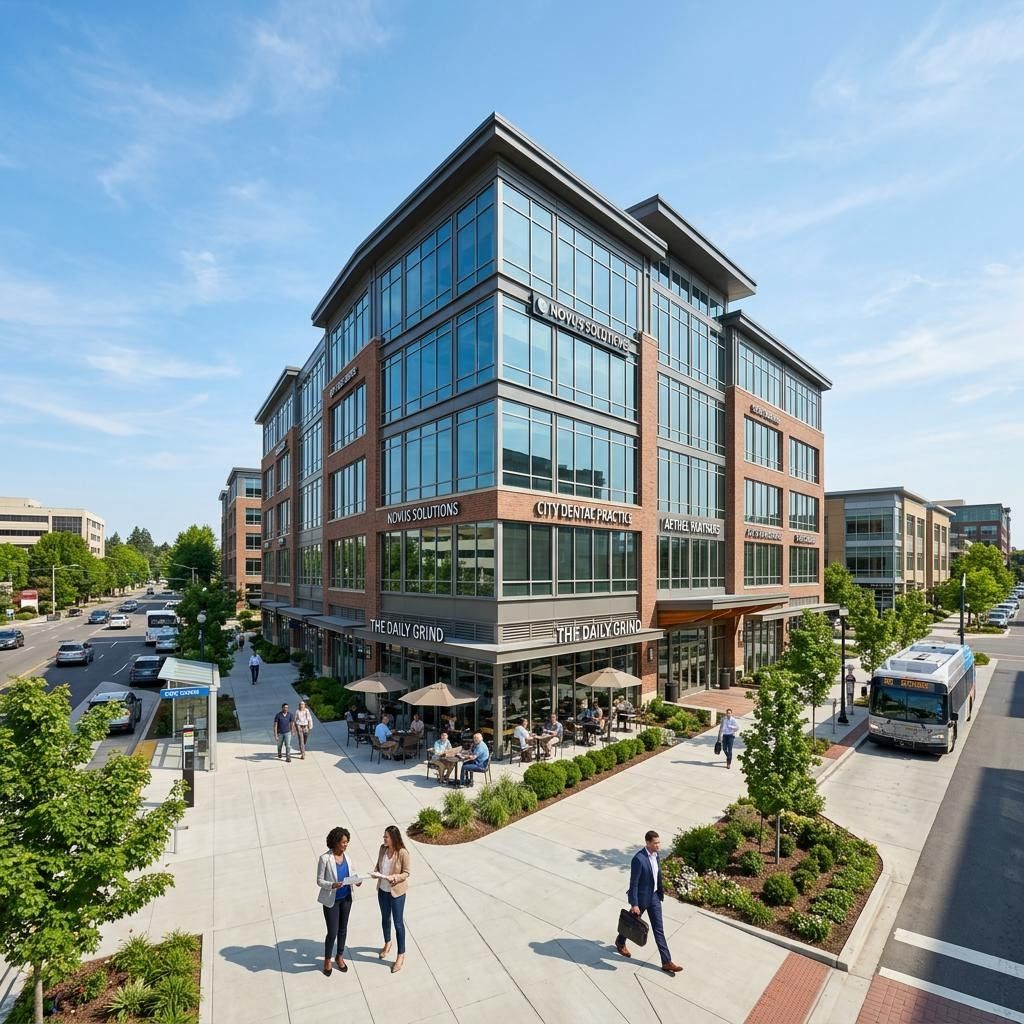
Common Exclusions and Limitations in Policies
Many commercial property insurance policies include specific exclusions for mold damage that arises from neglect, gradual leaks, maintenance issues, or pre-existing conditions. For example, if mold develops due to a long-standing, unaddressed roof leak or persistent high humidity that could have been prevented with routine maintenance, the claim is likely to be denied. Policies may also have sub-limits for mold remediation, meaning even if it is covered, there might be a cap on the amount the insurer will pay, which could be lower than the actual cost of extensive commercial mold removal.
The Crucial Role of a Commercial Restoration Company
When mold is discovered, partnering with a reputable commercial restoration company is paramount. These professionals not only possess the expertise and specialized equipment for safe and effective commercial mold remediation but also understand the intricate process of documenting damage for insurance purposes. They can help identify the source of the moisture, contain the affected areas, safely remove mold, and restore your property to its pre-loss condition. Their detailed reporting and experience can be invaluable when filing a claim, helping to bridge the gap between your property's needs and your insurance provider's requirements.
CONTACT US TODAY
Navigating the complexities of commercial property insurance and mold remediation can be a daunting task for any business owner. While coverage often depends on the source of the moisture, understanding your policy and acting swiftly are key. Triton Renovation stands as a trusted partner, ready to provide experienced commercial mold remediation and comprehensive restoration solutions, ensuring your business operations experience minimal disruption. For detailed insights into protecting your commercial assets, we invite you to contact us today on effective property management and emergency preparedness.