
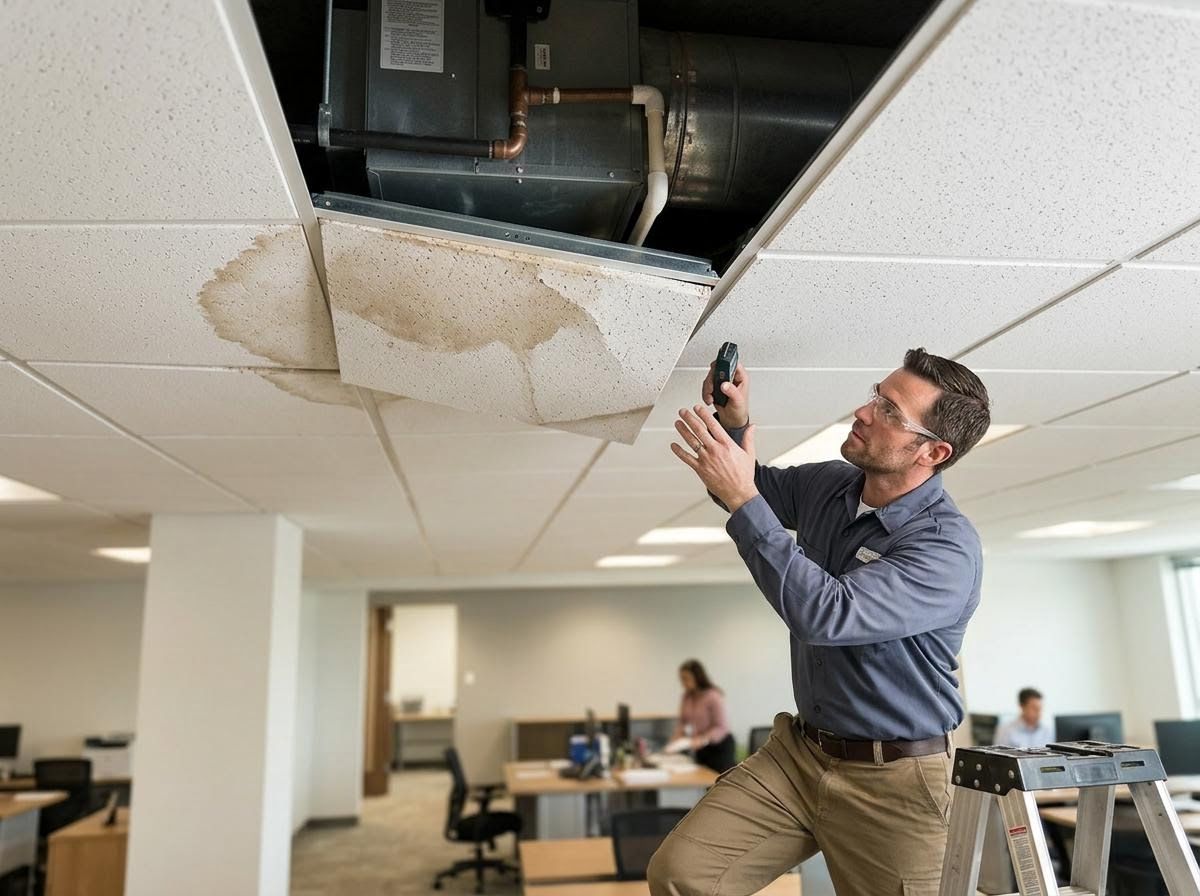
Maintaining a healthy commercial building environment requires vigilance, often in areas out of sight and mind. One such critical component is your HVAC system, essential for climate control and air quality. However, a seemingly minor issue within this system—a clogged condensate drain line—can escalate into a significant threat, potentially leading to silent ceiling collapses and substantial operational disruption. At Triton Renovation, we understand the intricate connections between seemingly small maintenance issues and large-scale property damage.
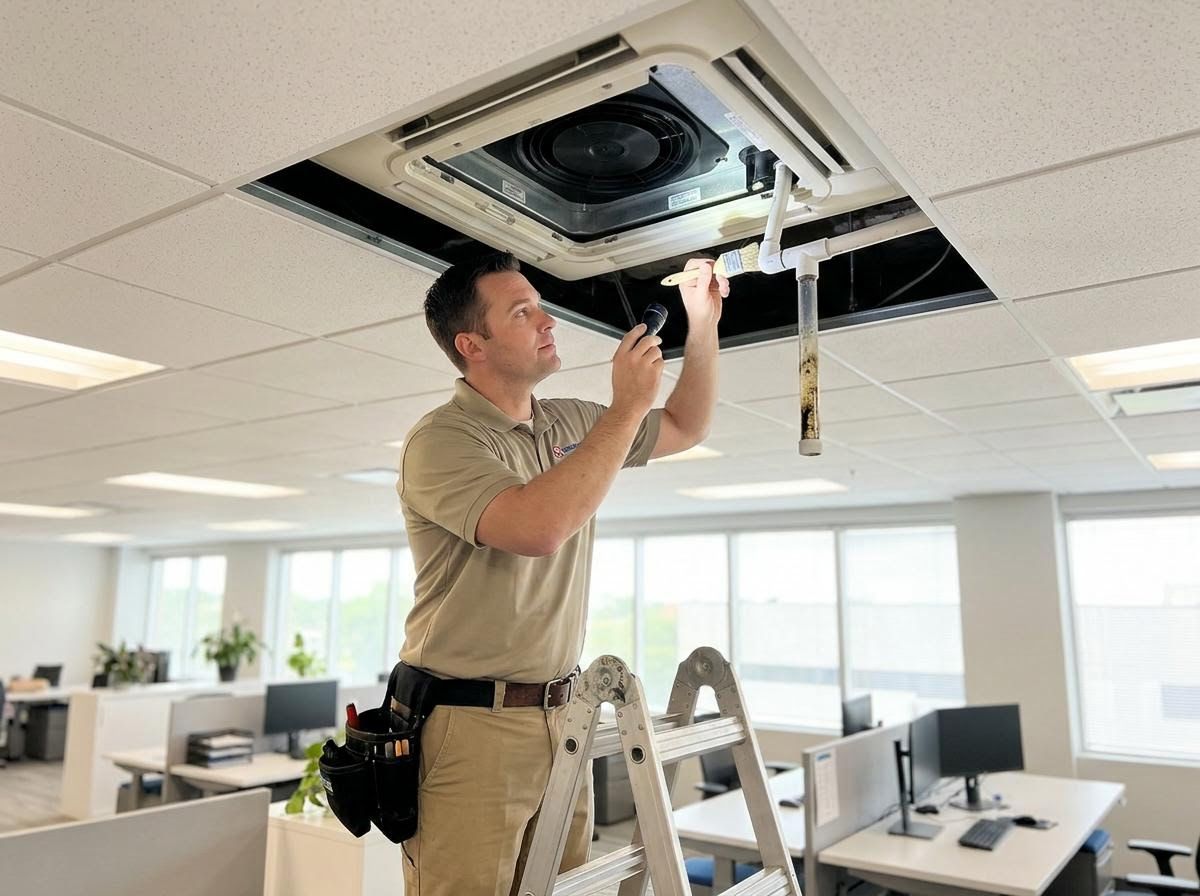
Understanding the Condensate Drain Line's Role
In any commercial HVAC system, the cooling process produces condensation, much like a cold drink on a humid day. This water, a byproduct of dehumidification, needs an efficient exit path. That's where the condensate drain line comes in. Designed to channel this moisture away, usually to an external drain, it’s a vital part of preventing water accumulation within your building’s infrastructure. Over time, however, these lines can become breeding grounds for algae, mold, and sludge, exacerbated by dust and debris drawn into the system. When these elements combine, they form blockages that obstruct the natural flow of water, setting the stage for a silent disaster.
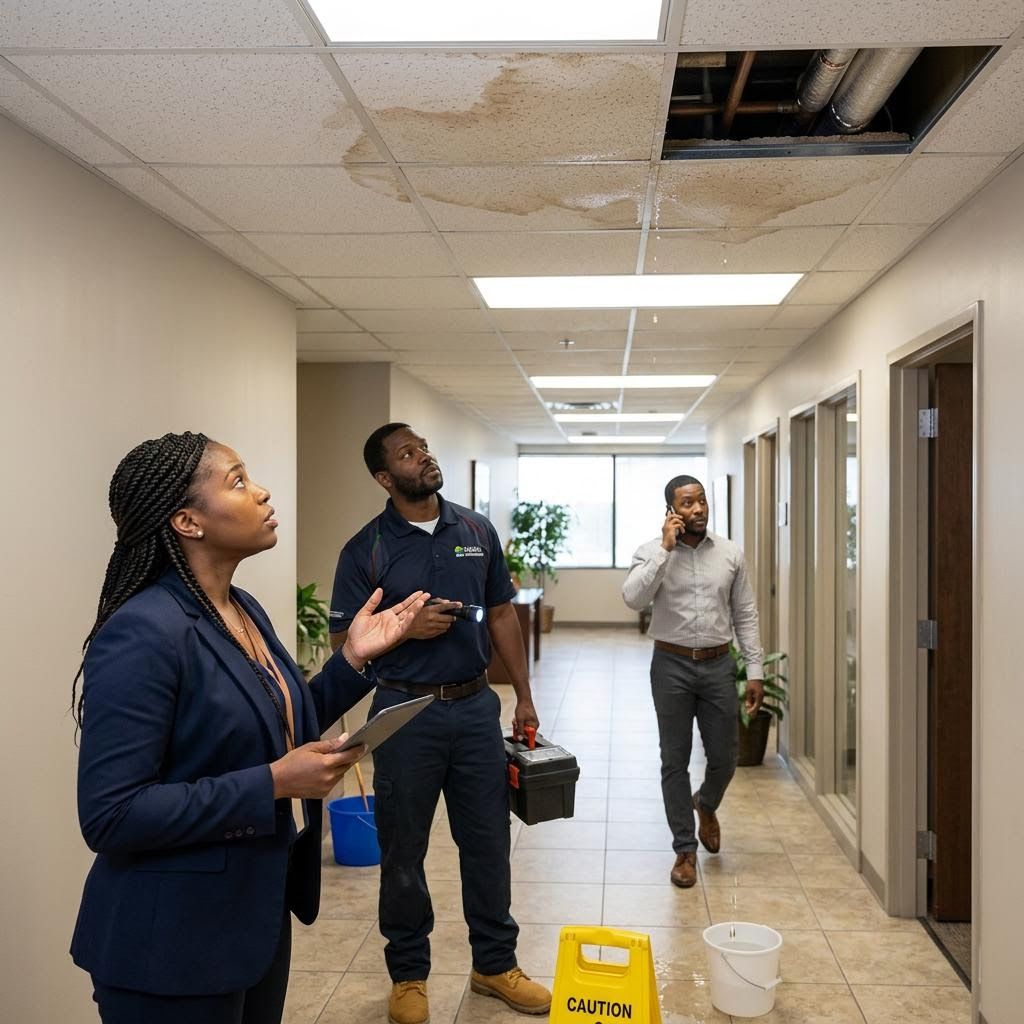
The Insidious Progression of Water Damage
Once a condensate drain line clogs, the water has nowhere to go. It backs up, overflowing the drip pan, and begins to accumulate in the ceiling plenum—the space above your drop ceilings. This insidious progression often goes unnoticed for days, even weeks, as the water slowly saturates ceiling tiles, insulation, and structural components. Unlike a burst pipe that creates immediate, undeniable chaos, a slow leak from an overflowing condensate pan can saturate materials gradually. This prolonged exposure weakens materials, eventually leading to structural fatigue and the risk of catastrophic failure. The weight of accumulated water, combined with the compromised integrity of the ceiling structure, creates an unstable environment for water damage just above your occupied spaces.
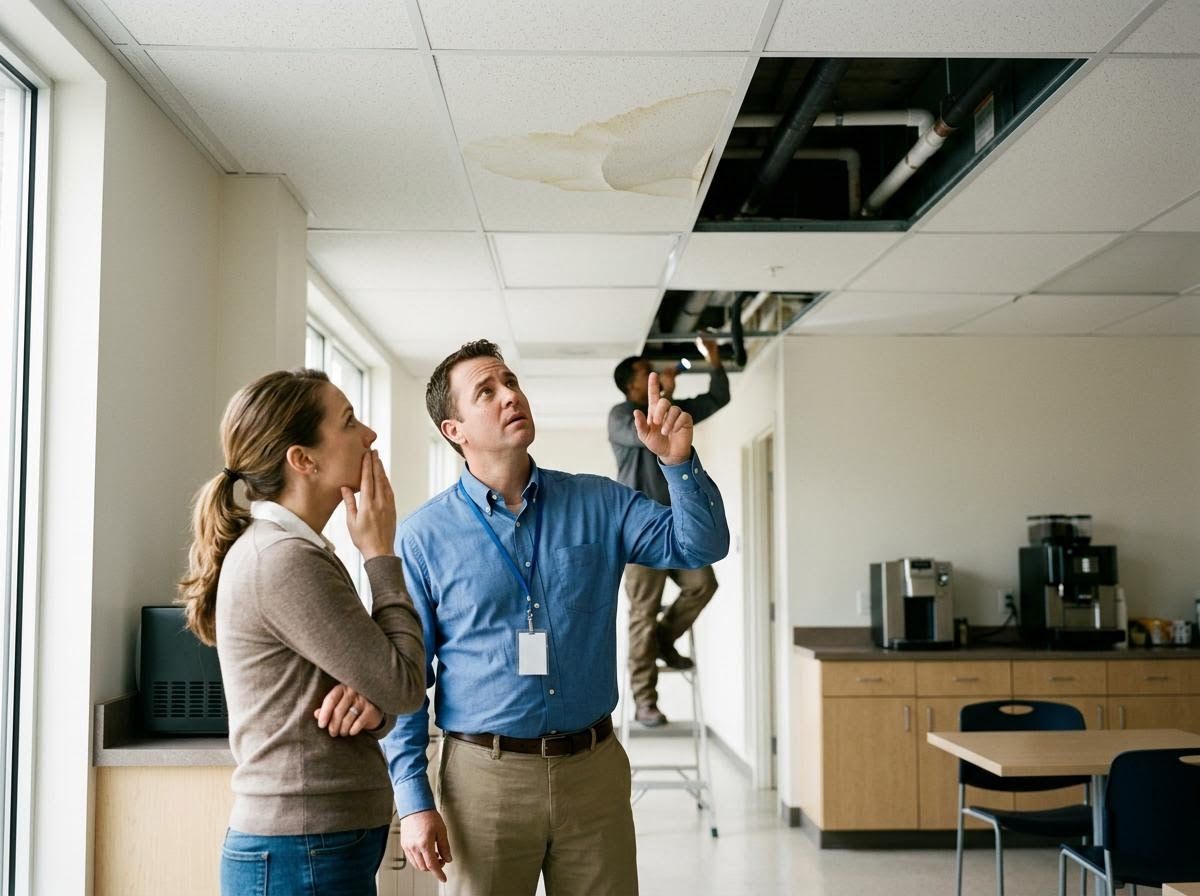
The Silent Threat of Ceiling Collapse
The term "silent" in ceiling collapses from clogged drain lines is particularly apt. Because the water accumulates slowly and out of sight, there are often no immediate warning signs like gushing water or sudden leaks. Instead, the first indication might be a subtle sag, a discolored stain, or, in the worst cases, a sudden and unexpected collapse. This can happen during business hours, posing significant safety risks to employees and customers, damaging valuable equipment, and interrupting operations. Beyond the immediate danger, the resulting water damage can lead to widespread mold growth, further compromising air quality and building integrity, and requiring extensive commercial damage restoration efforts.
Proactive Maintenance and Early Detection
Preventing such an event is far more cost-effective and less disruptive than reacting to one. Regular, professional HVAC maintenance is paramount. This includes routine inspections and cleaning of condensate drain lines to remove potential blockages before they become an issue. Implementing a scheduled maintenance program ensures that technicians can identify early warning signs, such as sluggish draining or the presence of excessive biological growth. Additionally, consider installing water sensors in critical areas, especially above expensive equipment or high-traffic zones, to provide an immediate alert should an overflow occur.
CONTACT US TODAY
The impact of a clogged condensate drain line can extend far beyond a simple leak, threatening the structural integrity of your commercial property and the safety of its occupants. While seemingly minor, the potential for silent ceiling collapses and extensive commercial damage restoration needs underscores the importance of proactive maintenance and a reliable emergency response plan. Should your property ever face such a challenge, understanding your options for business restoration is crucial. To learn more about safeguarding your commercial assets and what to do in an emergency, consider exploring resources on comprehensive property maintenance and emergency commercial restoration services. Contact us today.